Philosophy for Justice
Hamid Andishan is an Assistant Professor of Philosophy in the Department of Philosophy at Cape Breton University in Sydney, Canada, where he has been teaching since 2022. His research focuses on political and social philosophy, with particular interests in political phenomenology, human rights, and secularism.
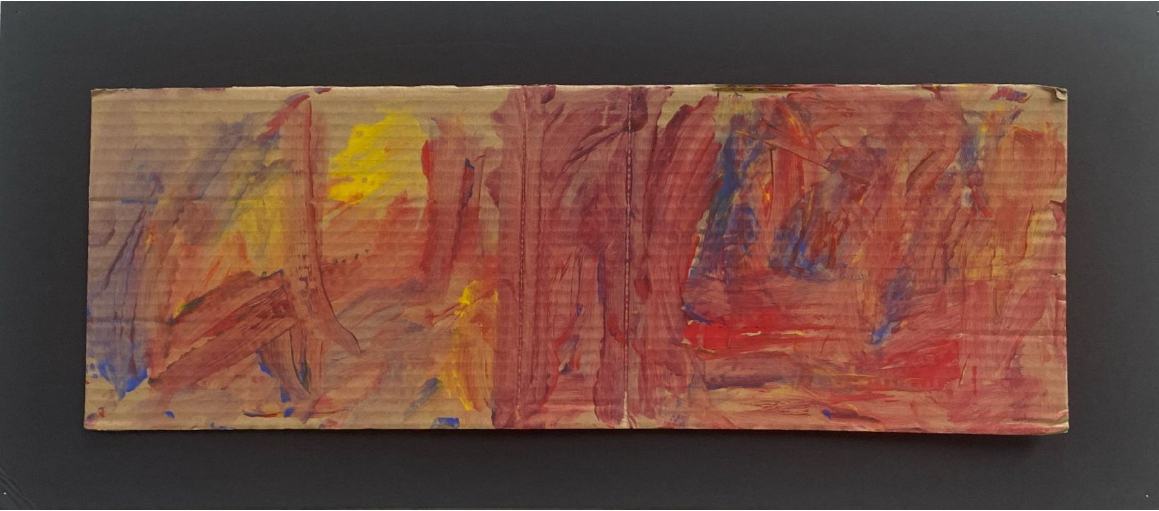

Dancing Mothers: Grief and Revolt in Iran 2026
Since the demonstrations on December 28th, 2025, and the Iranian government’s brutal retaliation, dance has emerged in yet another context with a decidedly political goal. As many Iranian families have lost their youth in protests against the Regime, these families have again turned to political art, dancing during mourning as an act of resistance.
Mixing waves of tears in their eyes with hands raised in the air, bodies trembling, these people are creating a striking political statement that has to impress anyone who sees it. An old mother who has lost her child cannot go into the streets and shout “death to the dictator.” She cannot go online and participate in a campaign. She cannot write a letter to her neighbourhood. But with an imaginative moral mind, she dances over her child’s dead body.
Read the piece here.

Tortured Freedom, A Sartrean Critique of Political Tortured Confessions in Iran
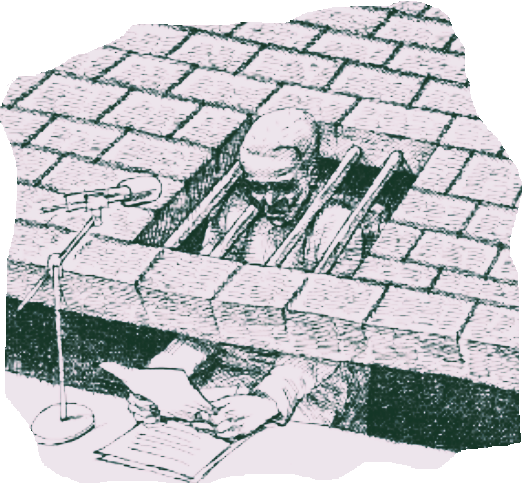
Political prisoners in the Islamic Republic of Iran are tortured to the point that they may be psychologically broken, confess to something against their will, and actively bring degrading effects upon themselves. Phenomenologists maintain that consciousness is thoroughly intertwined with the body. It is not that we have bodies but that we are our bodies. In light of this position, torturing the body thus allows the torturer to break the consciousness and freedom of the tortured. How can tortured individuals stand
up again as authentic and free agents after their forced confessions? I will examine the relationship between tortured confessions and human freedom, basing my examination on the experiences of Iranian political activists. I argue that, although the victim’s consciousness has been manipulated, the victim’s freedom is as intact as it was before the tortured confession.
Read the paper here.
Iranian Youth, The Islamic Regime, and A Paradigm Gap
The Iranian regime labels them anti-social characters or seditionists, a choice of language that reveals its inability to grasp a profound difference in paradigm. There is an epistemological divide between the younger generation of Iranians and the world of their fathersthe generation that produced the Islamic Revolution. This is not the familiar generational shift in values; it is a rupture in meaning and the very mode of understanding. Many social structures that were accepted for thousands of years have lost their significance. The divide between Iranian youth and the ideological fascist regime is not a difference between two generations, but between two worlds.
Read the piece here.
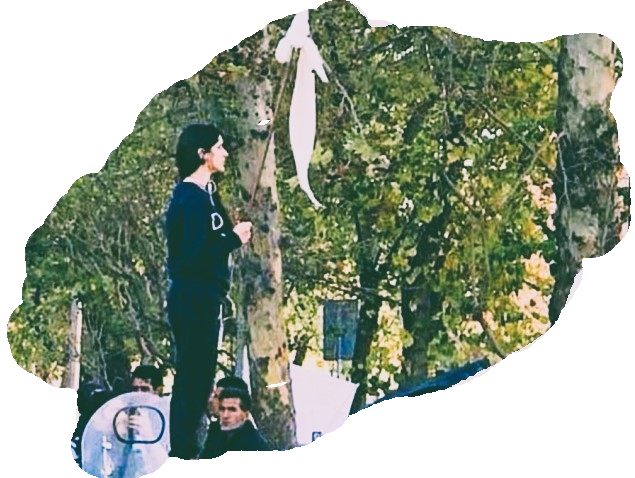

Honour or Dignity, an Oversimplification in Islamic Human Rights
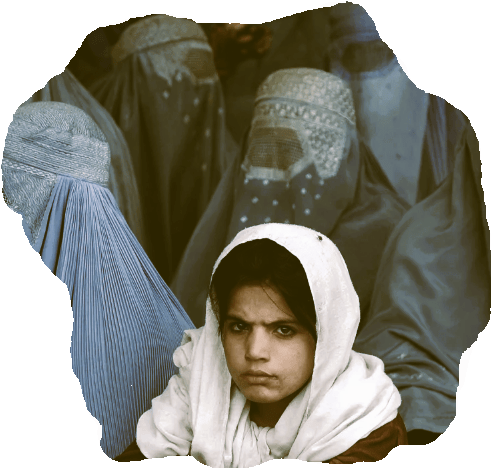
In classical literature on Islamic human rights, the concepts of dignity and honour are used interchangeably. Distinguishing modern and pre-modern conceptions of human life’s value, dignity represents a value everyone possesses simply in virtue of being human, regardless of social hierarchy or religious preference. Honour, on the contrary, demonstrates a status which someone achieves because of a religious or societal preference. I will explain this difference further, relying on the works of Peter Berger and Charles Taylor. Afterwards, I argue that a large group of Muslim scholars who have tried to articulate a coherent Islamic version of human rights have neglected this crucial difference. I will focus my discussion on two scholars, Abdulaziz Sachedina and Mohammad Hashim Kamali, as examples of scholars who have neglected the difference. My conclusion is that anybody who intends to confront this topic must be clear about the difference between dignity and honour; otherwise, any argument for the compatibility or incompatibility in question is doomed to failure.
Read the paper here.
Contact: hamid_andishan@cbu.ca
 Hamid Andishan